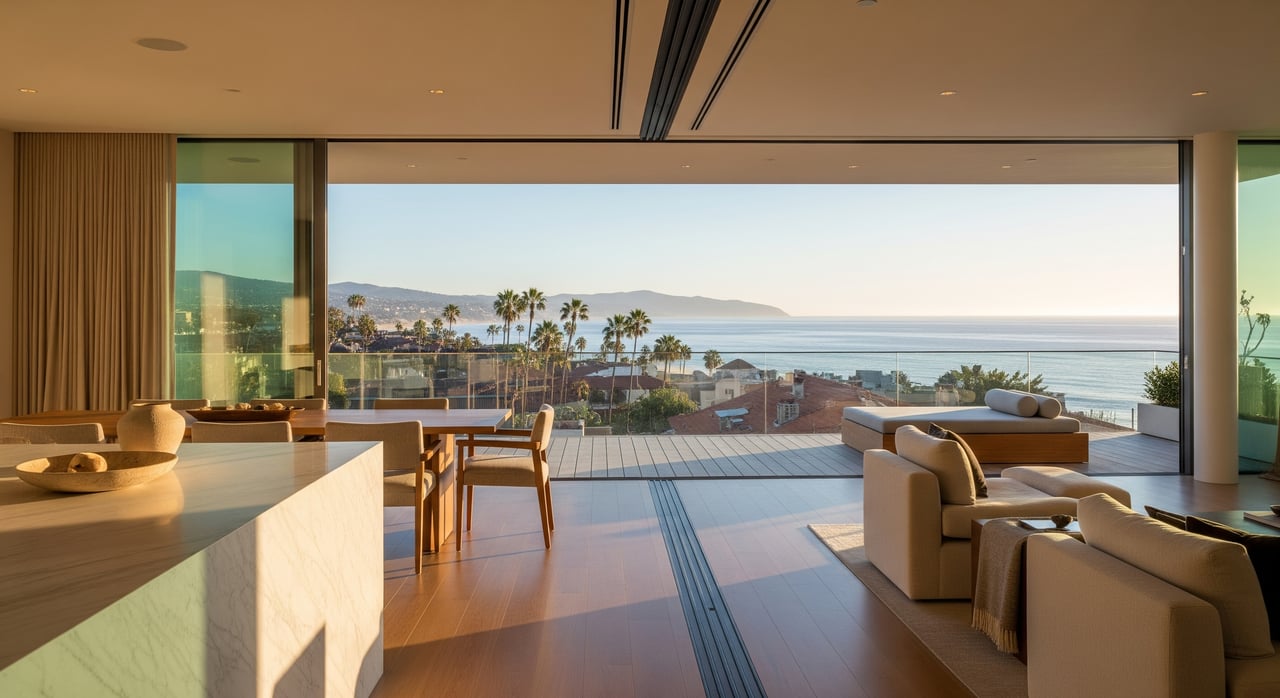
You want an oceanfront condo in 93109 for the view, the walkability, and the lifestyle. You also want a smart return. The trick is balancing emotion with the factors that drive long-term value and income. In this guide, you’ll learn what to look for, what to avoid, and how to model ROI so your purchase supports both enjoyment and your bottom line. Let’s dive in.
Why ROI differs in 93109
Scarcity drives value along Santa Barbara’s coastline. Limited oceanfront land and coastal zoning create a price premium compared with inland condos. That premium is most sensitive to view quality, direct beach access, and walkability to downtown, Stearns Wharf, and the Funk Zone.
Buyer demand is diverse. You see local downsizers, second-home buyers from Los Angeles and the Bay Area, and out-of-state investors. Seasonal and event-driven travel keeps interest strong for second homes and compliant rentals, especially in summer and during holidays.
Expect long-term appreciation potential paired with episodic shifts. Oceanfront condos can move quickly in some cycles and slowly in others due to high entry prices, lending constraints, or coastal risk concerns. Liquidity can vary by unit quality and project health.
Location and unit features
View, access, orientation
- Unobstructed ocean views command a premium.
- Direct sandy beach access and short, flat walks to amenities lift both resale and rental appeal.
- Southern exposure adds light and can elevate perceived value.
Floor level and layout
- Higher floors often earn a view premium and can reduce wave and flood exposure.
- Efficient floor plans with indoor-outdoor flow help short-term and resale demand.
Building quality and amenities
- Newer buildings or those updated with marine-grade materials tend to hold value better.
- Secure covered parking, elevator access, in-unit laundry, and storage matter for pricing and rentability.
Coastal risks, maintenance, insurance
Flood and erosion exposure
- Many oceanfront parcels fall within FEMA coastal flood zones. V zones carry greater wave action risk than AE zones and usually stricter insurance requirements.
- Sea-level rise and erosion pressures can affect beach width, setbacks, and long-term protective options. Major shoreline work often needs permits and can be restricted.
Insurance essentials
- Lenders commonly require flood insurance in mapped zones, available through NFIP and private carriers. Premiums vary by zone, elevation, and mitigation.
- Condo master policies on the coast may have higher premiums and deductibles, especially for wind, flood, and earthquake risks.
- Carrier appetite can change over time, so build in buffers for future pricing and deductible shifts.
Maintenance and reserves
- Salt air accelerates corrosion of metal, exterior finishes, windows, doors, and HVAC. Expect more frequent replacements and coatings.
- Strong HOA reserve funds and recent reserve studies help reduce the risk of special assessments.
HOA rules and rental policy impact
Rental restrictions
- CC&Rs and rules can cap the share of rentable units, set minimum lease terms, or prohibit short-term rentals. These rules directly affect income potential and financing eligibility.
- Owner-occupancy ratios influence mortgage options and resale demand.
Budget, reserves, governance
- HOA dues and the adequacy of reserves drive your net yield and your risk of assessments.
- Professional management and an active board typically support better maintenance and smoother capital planning.
Local permits and STR compliance
- The City and County have short-term rental rules, business licensing, occupancy regulations, and transient occupancy tax obligations. Compliance is critical if you plan to rent short term.
- Coastal work, including major repairs or seawalls, often requires Coastal Development Permits and may face limits on armoring.
Financing and project eligibility
Lender requirements
- Many lenders follow condo project standards that look at investor-owned ratios, delinquencies, litigation, and reserves. Projects that fail tests can limit loan options and reduce your buyer pool at resale.
- Confirm eligibility early to avoid surprises under contract.
Cash versus financing
- Cash buyers avoid project hurdles and can move faster, but give up leverage. If you finance, factor in rate, HOA dues, insurance, and taxes when you model cash flow.
Build your ROI model
Income approach
- For long-term rentals, estimate market rent, subtract HOA dues, insurance, taxes, utilities, management, and a maintenance reserve to find NOI. Compare NOI with price to gauge cap rate and cash-on-cash.
- For compliant short-term rentals, account for seasonal occupancy, nightly rates, cleaning, management, supplies, TOT, and licensing costs. Seasonality in Santa Barbara is real, so avoid smooth averages.
Appreciation approach
- For second-home use, weigh total carrying costs against conservative appreciation assumptions over 5 to 10 years. Add your personal-use value to decide if the trade-off works for you.
How to compare scenarios
- Run at least two cases: compliant STR vs. long-term rental, plus a pure second-home hold.
- In each case, include: HOA dues, insurance (including flood and earthquake if applicable), property taxes at your new base, utilities, management, maintenance, and planned capital items.
- Model reserve contributions for big-ticket items like windows, decks, and mechanicals.
Due diligence checklist
- Full HOA packet: budget, latest reserve study, CC&Rs, rules, insurance declarations, meeting minutes for 12 to 24 months, assessment history, rental and STR policies, and current owner occupancy.
- Seller disclosures and any coastal or flood hazard disclosures.
- FEMA flood zone determination and any elevation certificate.
- Building and unit inspection focused on marine exposure, waterproofing, balconies, railings, and envelope.
- Claims history for the unit and the HOA.
- Any shoreline protective structures and related permits or restrictions.
- Lender pre-check on condo project eligibility; confirm owner-occupancy ratios and any litigation.
- Insurance quotes for master policy impacts and unit-level flood coverage.
What drives resale appeal
- Unobstructed ocean views and direct sandy beach access.
- Proximity to downtown attractions, Stearns Wharf, and the Funk Zone.
- Secure covered parking, elevator access, in-unit laundry, and storage.
- Clear and predictable rental rules that match your buyer pool.
- Healthy reserves, stable dues, and documented maintenance.
- Upgrades with durable, marine-grade materials that reduce near-term costs.
Common pitfalls to avoid
- Assuming short-term rentals are allowed without verifying HOA rules and local licensing and tax requirements.
- Underestimating insurance and maintenance in a marine environment.
- Skipping a reserve study review and missing pending special assessments.
- Ignoring project eligibility issues that can restrict financing and future buyer demand.
- Over-relying on best-season STR numbers instead of modeling seasonality and vacancies.
Next steps
Start with the numbers. Price the view and access premium you want, then model income or appreciation with conservative assumptions. Line up lender and insurance feedback early, and review the HOA packet in detail before you release contingencies.
You do not have to do it alone. A local advisor who understands 93109 condos, coastal risk, and HOA nuance can help pressure-test your ROI and guide negotiations. If you want thoughtful, private counsel on oceanfront opportunities, reach out to Sharon Jordano for a conversation tailored to your goals.
Ready to evaluate a specific property or compare scenarios? Connect with Sharon Jordano for discreet, data-informed guidance.
FAQs
How much more do 93109 oceanfront condos cost?
- Oceanfront carries a scarcity premium that varies by view, direct beach access, floor level, and building quality. Review current comps and adjust for features to gauge the premium.
Are short-term rentals allowed in Santa Barbara oceanfront condos?
- It depends on both the HOA and local rules. Many buildings restrict STRs, and the City and County require licensing and TOT compliance where STRs are permitted. Verify before you buy.
What should I expect for HOA dues in oceanfront buildings?
- Coastal buildings often have higher dues to fund maintenance and reserves for salt-air exposure. Review the budget and reserve study to see what dues cover and whether increases are planned.
What flood and sea-level-rise risks should I evaluate?
- Determine your FEMA flood zone, request any elevation certificate, and review local sea-level-rise guidance. Understand wave action risks in V zones and how they affect insurance and long-term planning.
How do insurance costs impact annual carrying costs?
- Coastal master policies can carry higher premiums and deductibles, and flood insurance may be required in mapped zones. Obtain quotes early and model higher-deductible scenarios.
What financing hurdles come with oceanfront condos?
- Lenders may limit loans in projects with high investor ratios, litigation, delinquencies, or weak reserves. Confirm condo project eligibility with your lender before you make an offer.
How do I compare ROI for STR, long-term rent, and personal use?
- Run 5 to 10-year scenarios for each strategy, including seasonality, HOA increases, insurance, maintenance, capital items, and conservative appreciation. Compare cash flow and total return to your goals.