If you picture tree‑lined streets, classic architecture, and parks steps from downtown, the Upper East delivers. You may also be weighing questions about historic rules, renovation timelines, and what to look for during inspections. In this guide, you’ll learn how the neighborhood is laid out, which home styles you’ll see, how local design review works, and the practical due diligence that helps you buy confidently. Let’s dive in.
Upper East at a glance
The Upper East sits just east of Santa Barbara’s downtown corridor, with Sola Street at the south edge, State Street to the west, Mission Creek and the Mission grounds to the north, and streets that climb toward the Riviera on the east. It includes Alice Keck Park Memorial Garden and Alameda Park, two beloved green spaces with walking paths and play areas. You can stroll to dining and shops on upper State, and reach major cultural sites nearby. For a neighborhood overview and history, the Upper East Association offers a helpful snapshot of the area’s character and preservation focus in the City’s General Plan. Visit the association’s neighborhood description.
Architecture and lots you’ll find
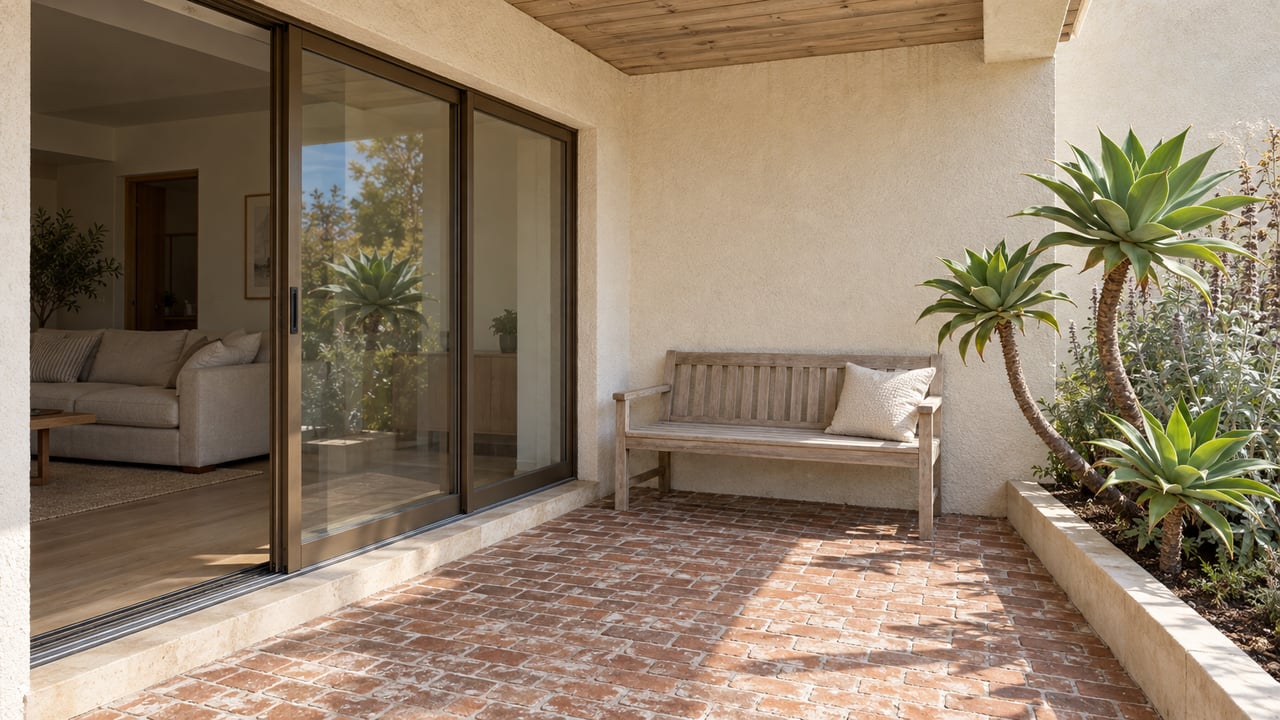
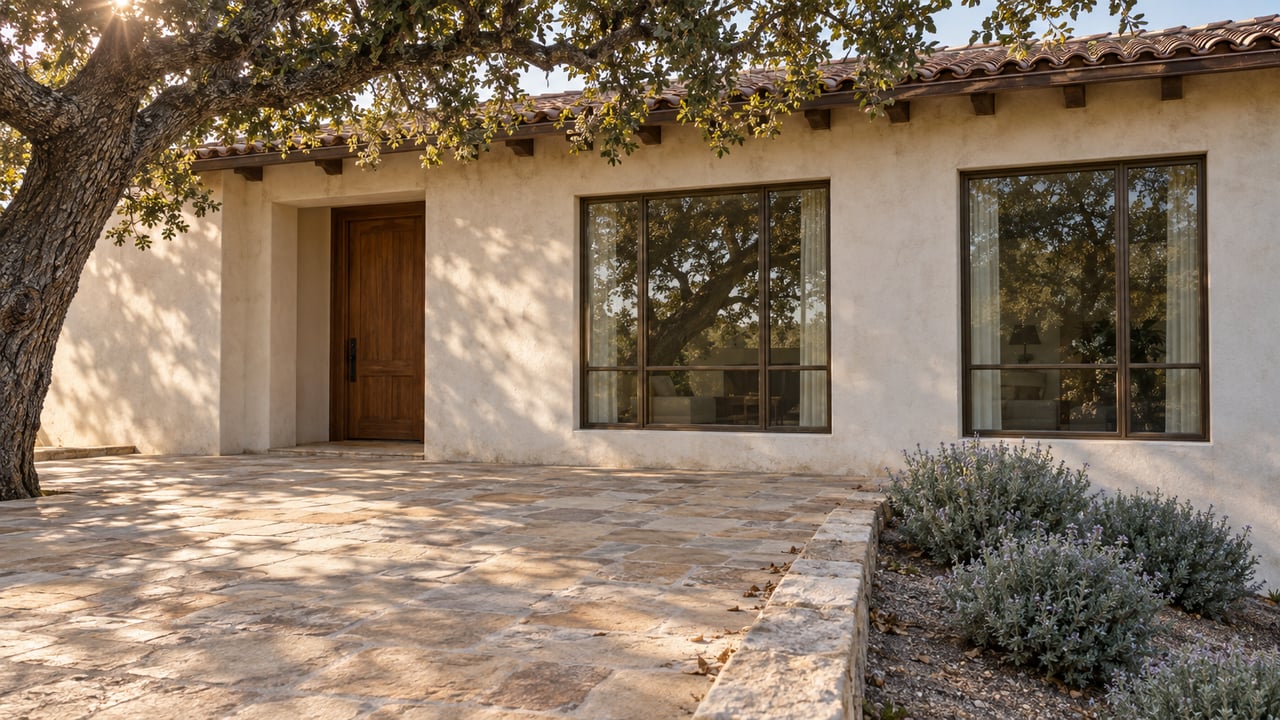
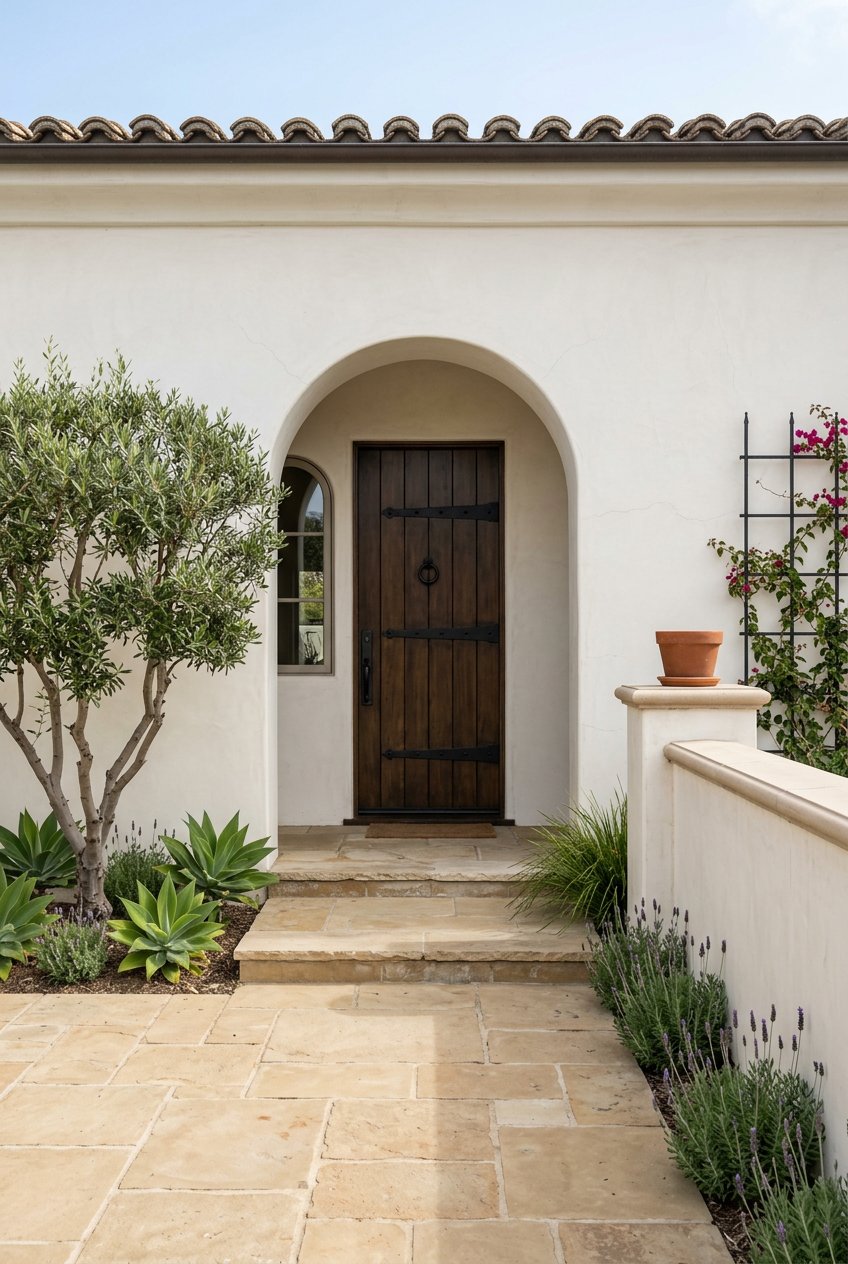
You’ll see late‑19th and early‑20th‑century homes, including Victorian influences, Craftsman/Bungalow residences, and many Spanish, Mediterranean, and Spanish Colonial Revival designs with stucco walls and low‑pitched clay‑tile roofs. The City’s style resources show how these groupings appear across neighborhoods. Explore the City’s Architectural Styles Map to understand common forms and materials.
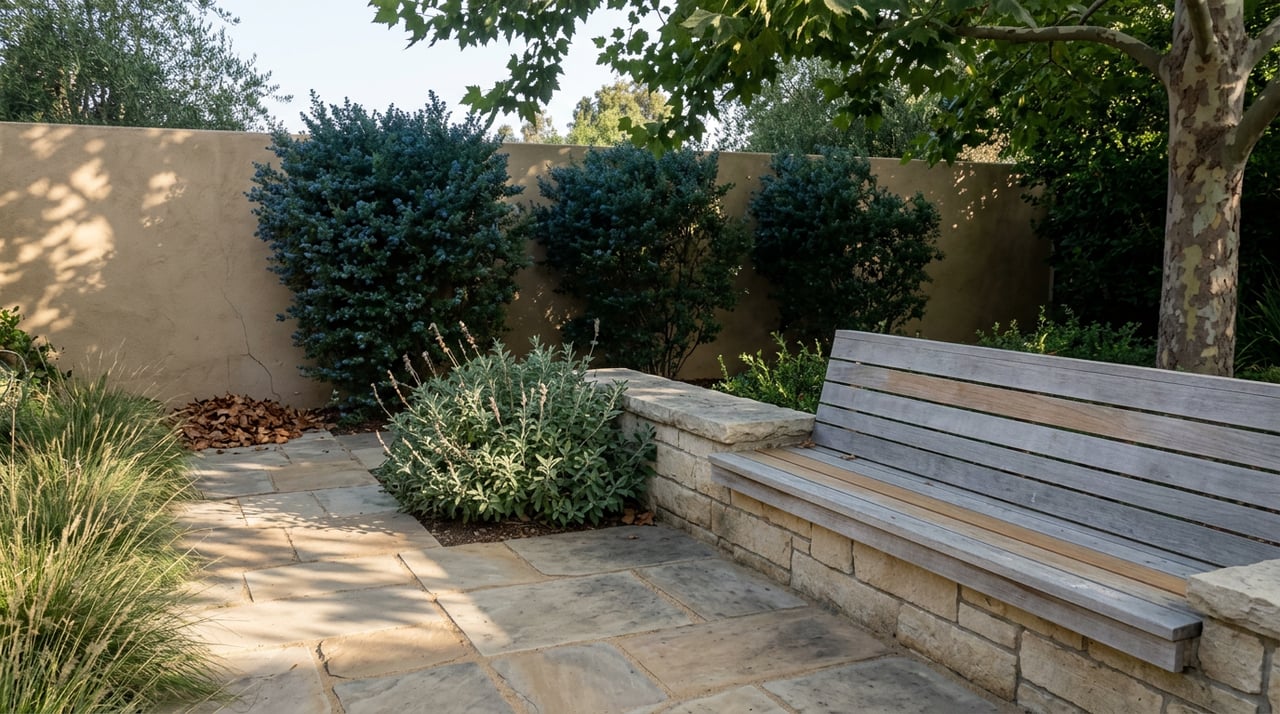
Lot patterns vary as you move north toward the Mission. Many upper blocks feature larger parcels, mature landscaping, and pronounced setbacks framed by hedges or garden walls. Closer to the downtown edge, you’ll encounter more mixed housing types and some smaller lots. Typical construction in the area includes wood‑frame structures with stucco exteriors, tile or composite roofs, wood windows, and older masonry or stucco chimneys.
Historic districts and design review
Much of the Upper East lies within or next to Santa Barbara’s El Pueblo Viejo (EPV) Landmark District. If a property is inside EPV or near it, exterior changes, demolition, and some new construction may be routed to the Historic Landmarks Commission and must follow EPV design guidance. Review the City’s overview of the EPV Landmark District and the detailed EPV Design Guidelines before you plan any work.
Other overlays can influence design and permit routing. Parcels near the Mission Area Special Design District, the Bungalow/Lower Riviera area, or hillside edges can fall under additional guidelines. The City’s Single‑Family Residence Design Guidelines outline review triggers, hillside considerations, and neighborhood compatibility standards.
What to expect if your home is in or near EPV:
- Design review can add time. Review boards may require revisions to maintain historic character and neighborhood scale.
- Exterior alterations and demolition face higher scrutiny. Expect formal findings for work that affects historic resources.
- Traditional materials and proportions are favored. Details like stucco finishes, rooflines, and window patterns matter.
- Confirm your parcel’s overlays early. Use the City’s GIS layers and planning counter to verify routing before you budget.
Due diligence: what to check before you buy
Older, character homes reward careful inspections. Use your contingency window to vet the structure, systems, and any historic or permitting constraints.
Termites and wood‑destroying organisms
Drywood and subterranean termites are established in coastal California. A licensed WDO inspection helps detect hidden activity in framing, trim, and built‑ins. For background and treatment options, review UC’s guidance on drywood termites.
Lead‑based paint in pre‑1978 homes
Many Upper East homes predate 1978. Federal rules require disclosure of lead‑hazard information and allow a testing period. If you anticipate paint disturbance during renovation, contractors must follow EPA lead‑safe practices. See the EPA’s consumer page for the RRP program.
Electrical systems
Older wiring, such as knob‑and‑tube or cloth‑insulated conductors, and undersized service panels are not unusual in early‑era homes. Have a licensed electrician evaluate service size, grounding, and any legacy wiring for safety and insurability.
Roofs, stucco, and moisture
Spanish and Mediterranean homes often have clay‑tile roofs and stucco envelopes. Pay close attention to underlayment age, roof‑to‑wall and chimney flashing, and any signs of water intrusion behind stucco. When staining, cracks, or chronic leaks are present, consider a specialized stucco and moisture inspection.
Chimneys and fireplaces
Unreinforced masonry chimneys appear in many older houses and can be vulnerable in seismic events. A chimney specialist can assess bracing, flue condition, and safety. If your home is in EPV, visible chimney treatments may be subject to EPV Guidelines.
Foundations, grading, and hillside factors
Parcels that rise toward the Riviera involve slope stability, drainage, and retaining wall checks. In crawlspaces, look at anchorage and bracing. For significant hillside work, the City’s Single‑Family Residence Design Guidelines outline hillside design expectations; a structural or geotechnical opinion can inform scope and budget.
Plumbing and sewer laterals
Older neighborhoods can have aging supply lines or private sewer laterals that benefit from a camera scope. City rules can vary by parcel, so verify any sale‑related or upgrade requirements with the utilities or building department.
Permits and past work
Confirm the home’s permit history. Major additions, conversions, detached structures, and re‑roofing typically require permits. Unpermitted work can affect timing, insurance, and resale.
Hazardous materials beyond lead
Legacy materials, such as certain older insulations and coatings, may require testing and abatement planning prior to demolition or remodeling.
Timeline, permits, and negotiation
If your property lies in EPV or another special design district, factor added time for submittals, hearings, and potential revisions. Depending on scope and completeness, design review can extend several weeks to months. Start with the City’s overview of the EPV process and requirements and consult the planning counter early.
Order key inspections during your contingency period:
- General home inspection
- WDO/termite inspection
- Roof and stucco/moisture specialist if indicated
- Licensed electrician evaluation
- Sewer scope for older plumbing
- Chimney and fireplace inspection
- Lead testing for pre‑1978 homes where paint disturbance is likely
Use estimates to shape your offer strategy. Older systems, roof underlayment, stucco repairs, termite work, electrical upgrades, or foundation and drainage improvements are common budgeting items. When a home has historic character or lies within EPV, plan for design‑sensitive approaches rather than wholesale replacement.
Schools and everyday living
Roosevelt Elementary at 1990 Laguna Street is within the neighborhood footprint and serves many local families. Always confirm current enrollment boundaries and options with the district. For reference, see Roosevelt Elementary.
Walkability is a hallmark of the Upper East. You can access parks, downtown amenities, and transit corridors with ease. The Mission and its Rose Garden, Alice Keck Park Memorial Garden, and Alameda Park add daily green space to your routine.
How a luxury advisor helps you in the Upper East
Buying in a historic, close‑in neighborhood calls for clear guidance and a thoughtful plan. You benefit from local insight on parcel‑specific overlays, realistic timelines, and which inspections to prioritize for a character home. You also gain from measured offer strategy that reflects historic fabric, neighborhood standards, and likely scope after closing.
With a focus on high‑end buyer representation and lifestyle‑driven outcomes, you can expect discreet, attentive service backed by strong market reach. Local roots and trusted introductions help you navigate City resources and neighborhood nuances while keeping your goals front and center. If you’re also weighing a sale, a private, data‑driven valuation can help you plan next steps.
Ready to explore homes or discuss strategy for your next move in the Upper East? Connect with Sharon Jordano to align on timing, priorities, and a clear path forward, or Request a Private Home Valuation.
FAQs
What does the El Pueblo Viejo District mean for Upper East buyers?
- Properties in or near EPV often require historic design review for exterior changes, which can add time and shape materials, massing, and architectural details.
Which architectural styles are common in Santa Barbara’s Upper East?
- You’ll see Victorian influences, Craftsman/Bungalow homes, and many Spanish, Mediterranean, and Spanish Colonial Revival designs with stucco and clay tile elements.
What inspections are most important for older Upper East homes?
- Prioritize a full home inspection, termite/WDO report, roof and stucco/moisture check, electrical evaluation, sewer scope, chimney inspection, and lead testing for pre‑1978 homes.
How long can design review add to a remodel timeline in the Upper East?
- Depending on scope and completeness, routing to review boards can add several weeks to months, especially for projects that affect historic resources.
Which parks and amenities are near the Upper East?
- Alice Keck Park Memorial Garden and Alameda Park are within the neighborhood, with the Mission and Rose Garden just north and downtown restaurants and shops close by.
Which public elementary school serves much of the Upper East?
- Roosevelt Elementary is located within the neighborhood footprint; confirm current enrollment boundaries with the school district before you buy.