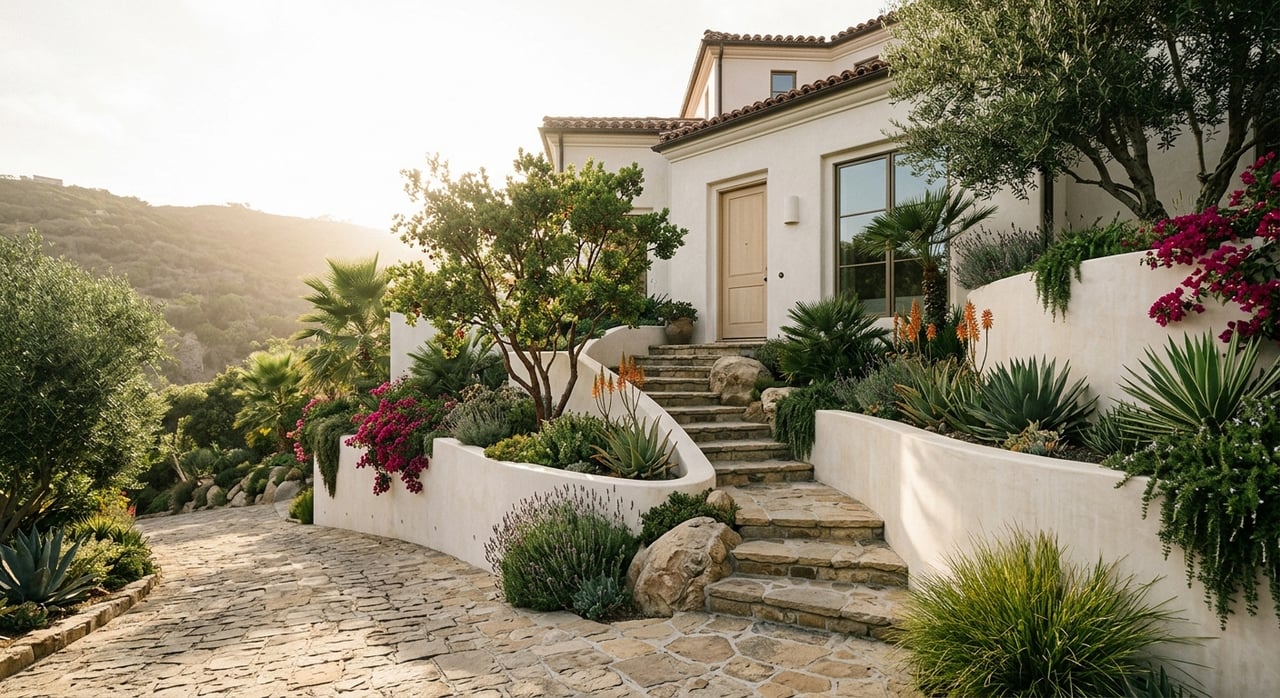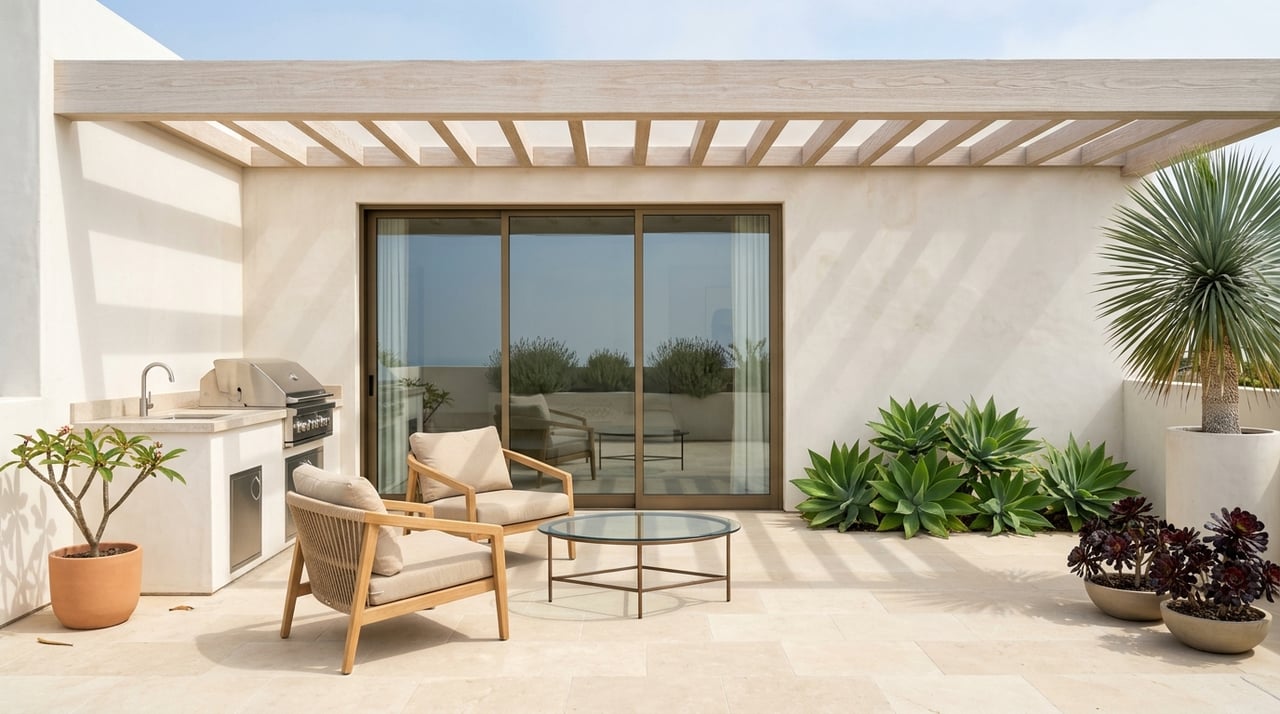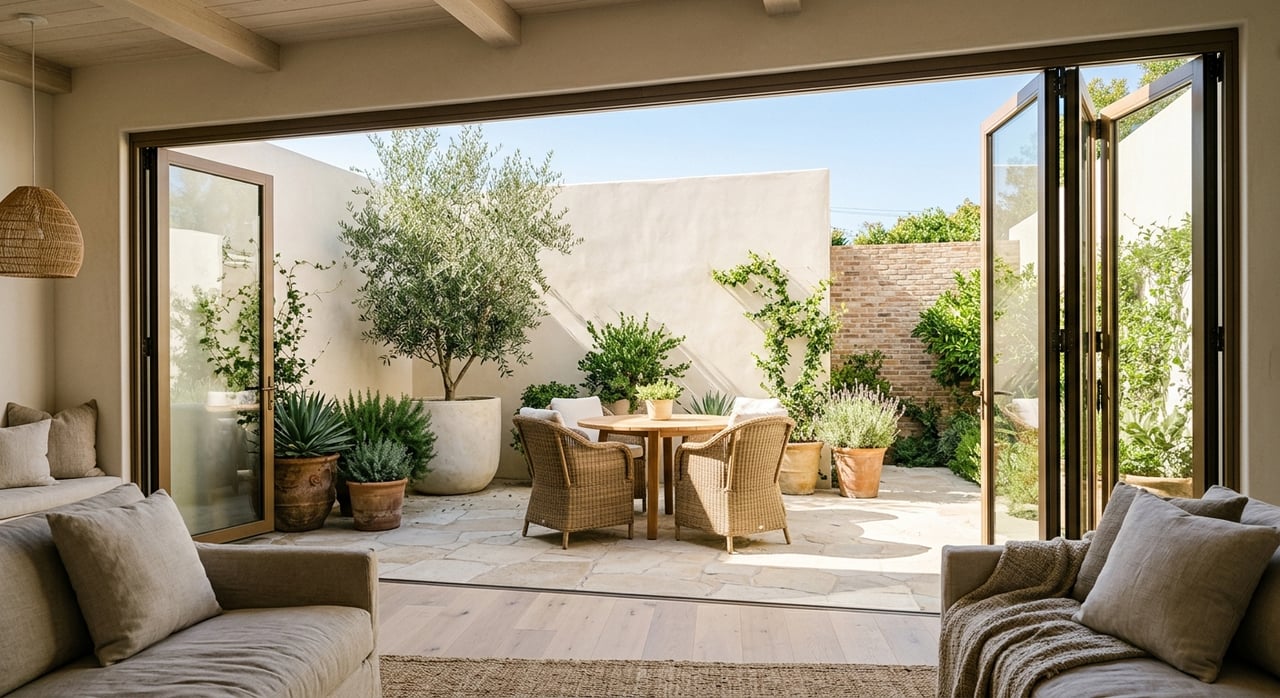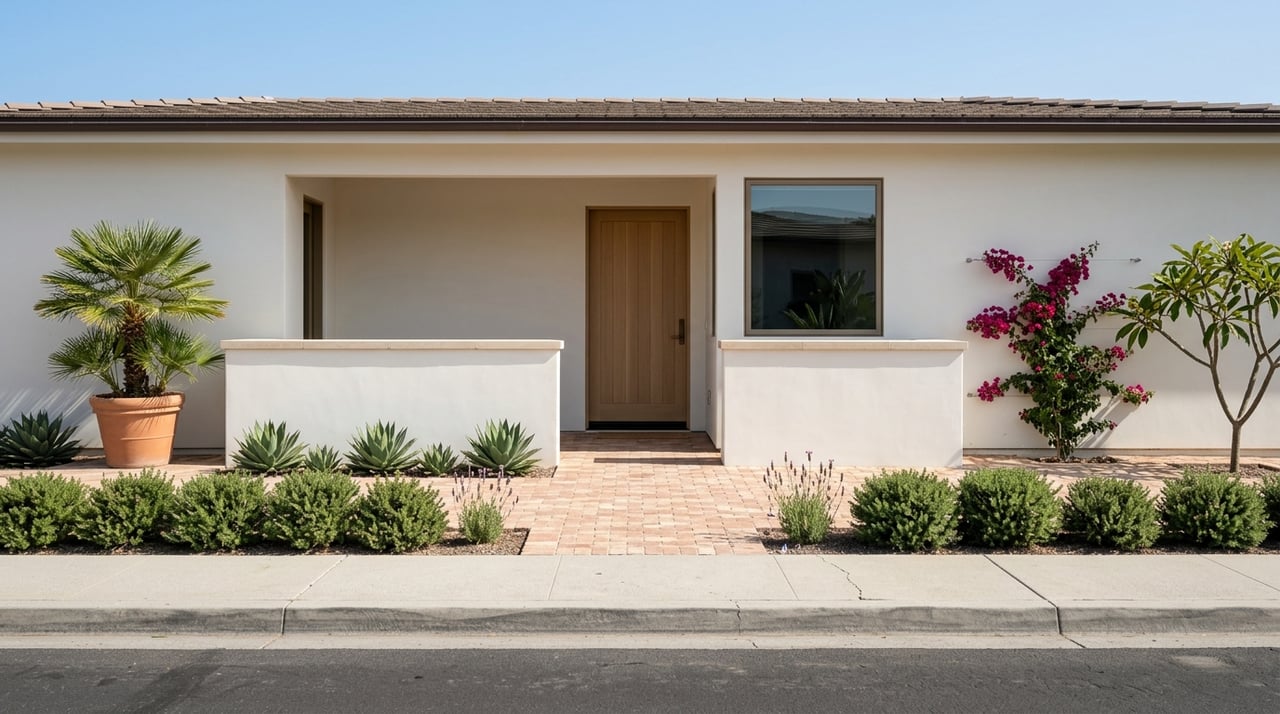
If you love Carpinteria, one question often shapes your search right away: do you want to be close to the sand, or would you rather live a little higher up with more separation and broader outlooks? Both choices can be compelling, and in a compact coastal city like Carpinteria, the difference is less about miles and more about how you want your day-to-day life to feel. This guide will help you compare beach-close homes and foothill properties so you can focus on the setting that best fits your priorities. Let’s dive in.
How Carpinteria living differs
Carpinteria is a small coastal city with the Pacific along its southern edge and elevations that rise from sea level to about 700 feet. City planning materials describe a community shaped by a small beach-town lifestyle, open surroundings, and a close connection between downtown and the coast.
That setting makes the beach-versus-foothill decision especially meaningful. In many places, those two lifestyles can feel far apart. In Carpinteria, they are part of the same small city, but they still offer very different rhythms.
Beach-close homes in Carpinteria
Beach-close living in Carpinteria is defined by easy access to the shoreline and the downtown core. City sources note that Carpinteria City Beach sits at the foot of Linden Avenue, Carpinteria State Beach Park is at the foot of Palm Avenue, and Rincon Beach Park is at the foot of Bates Road.
That layout matters because Linden Avenue is more than a main street. It is the link between town and the beach, and current city planning around Linden Plaza is meant to strengthen that connection even more. If you want your home base tied closely to both the coast and the town center, this part of Carpinteria tends to deliver that experience.
What daily life feels like near the beach
If you choose a beach-close home, you are often choosing convenience and an easy outdoor routine. Carpinteria State Beach includes terraced bluffs, dune areas, and a mile of beach, along with access to swimming, surfing, surf fishing, tidepool exploring, camping, and hiking trails.
The circulation network also supports an active lifestyle. City planning documents note sidewalks and Class II bike lanes along Linden Avenue, plus trail access around the Bluffs, Tar Pits Park, and the State Beach area.
That does not necessarily mean a dense or urban feel. Some beach neighborhood areas are intentionally preserved with a semi-rural character, and city materials note that short blocks, narrower streets, and on-street parking can help slow traffic and create a calmer pedestrian environment.
Why buyers choose beach-close properties
For many buyers, the appeal is simple: proximity changes how often you use a place. When the beach, trails, and downtown are woven into your daily path, outdoor access can feel more spontaneous and effortless.
This setting may be especially appealing if you value walkability, a lively small-town rhythm, and immediate access to the coast. It can also suit buyers looking for a second home that feels distinctly coastal the moment they arrive.
Beach-close tradeoffs to consider
The biggest tradeoff near the shoreline is coastal exposure. The City’s Coastal Resiliency Element identifies the Beach Neighborhood and other low-lying areas as vulnerable to coastal flooding, tidal inundation, and erosion, and it notes that historical storms have damaged beachfront homes.
There is also the day-to-day reality of salt air. FEMA guidance for coastal areas notes that salt spray and onshore winds can accelerate corrosion of metal connectors and fasteners, with the strongest exposure closest to the shoreline.
In practical terms, that means beach-close ownership may involve more vigilance around materials, maintenance, and long-term planning. Before you commit to a specific property, it is wise to look closely at parcel-level exposure and any shoreline-related considerations tied to that home.
Foothill homes in Carpinteria
Foothill living in Carpinteria offers a different kind of appeal. Instead of prioritizing steps-to-the-sand convenience, these homes tend to lean into space, privacy, and a more buffered setting.
City materials describe Carpinteria as a place with mountain views and open, rural surroundings. Within that context, homes farther north or uphill often feel more separated from the downtown-beach core, even though they remain within the same compact city.
What daily life feels like in the foothills
The foothill experience is usually less about spontaneous beach walks and more about breathing room. Depending on the parcel, you may gain elevation, a quieter setting, and broader inland or mountain outlooks.
The city’s circulation planning supports this distinction. Foothill Road is identified as a throughway connecting local land uses to surrounding areas, and planned bikeway and trail improvements extend toward Foothill Road and Carpinteria Creek.
That can create an edge-of-town feel that appeals to buyers who want Carpinteria access without being in the center of its beach-oriented activity. For some, that extra separation is exactly the point.
Why buyers choose foothill properties
Foothill homes often appeal to buyers who value privacy more than immediate walkability. If your ideal setting includes a little more distance, elevation, and a calmer sense of retreat, this side of Carpinteria may align better with your lifestyle.
This can also be a strong fit if your priority is the home itself and its site, rather than being a short walk from Linden Avenue or the beach. In that sense, foothill properties can feel more about outlook and setting than proximity.
Foothill tradeoffs to consider
The key operational issue in foothill areas is wildfire resilience. CAL FIRE emphasizes that home hardening and defensible space work together to improve a home’s chance of surviving wildfire.
Santa Barbara County Fire also states that sellers in high, very high, or county-defined fire hazard zones need documentation of a compliant defensible-space inspection at sale. Because fire hazard can vary by parcel, address-specific verification matters when you evaluate a property.
For owners, that can mean a different kind of maintenance responsibility. Instead of salt-air wear and coastal flooding concerns, the focus often shifts to vegetation management, defensible space, and home hardening.
Beach or foothill: which fits you?
The right answer usually comes down to how you want to live, not which setting is objectively better. In Carpinteria, each choice offers a distinct version of the same coastal community.
Here is a simple way to think about the tradeoff:
- Choose beach-close Carpinteria if daily walkability, quick beach access, and a stronger connection to downtown matter most.
- Choose foothill Carpinteria if privacy, elevation, and a more buffered setting matter more than being steps from the shore.
- In either case, review parcel-specific factors such as flood exposure, fire hazard designation, and site access before moving forward.
A side-by-side comparison
| Feature | Beach-Close Homes | Foothill Homes |
|---|---|---|
| Lifestyle feel | Coastal, connected, active | Private, buffered, elevated |
| Access | Strong access to beach, downtown, trails, and bike routes | More separation from the downtown-beach core |
| Setting | Near shore, often integrated with town life | Higher or farther north, often with broader outlooks |
| Outdoor pattern | Easy beach use and spontaneous recreation | More site-focused living and a retreat feel |
| Main maintenance concern | Salt-air wear, corrosion, flood and erosion planning | Defensible space, vegetation management, home hardening |
| Best fit for | Buyers who want walkability and immediate coastal access | Buyers who want privacy and a quieter setting |
What to check before you buy
No matter which side of Carpinteria attracts you, the smartest next step is to narrow your lifestyle priorities and then evaluate each parcel carefully. A home can match your vision on paper but feel very different once you factor in access, exposure, and upkeep.
As you compare options, keep these questions in mind:
- How important is walking access to the beach or downtown?
- Do you prefer a more social town-and-shore rhythm or a more private retreat setting?
- Are you more comfortable planning for coastal exposure or wildfire readiness?
- How much ongoing maintenance fits your ownership style?
- Does the specific parcel have flood, erosion, or fire-hazard considerations that need closer review?
In a market as nuanced as Carpinteria, those details can shape both lifestyle and long-term stewardship. A thoughtful comparison now can help you buy with more confidence.
Whether you are looking for a beach-close cottage, a townhome near Linden Avenue, or a more secluded foothill property, working with a local advisor can help you weigh the lifestyle details that matter most. For tailored guidance on Carpinteria homes and a discreet, high-touch buying or selling experience, connect with Sharon Jordano.
FAQs
What is the difference between beach-close and foothill homes in Carpinteria?
- Beach-close homes are typically defined by easier access to the shoreline, downtown, and recreation, while foothill homes are generally chosen for privacy, elevation, and a more buffered setting.
Are beach-close homes in Carpinteria more walkable?
- In many cases, yes. City materials show strong connections between Linden Avenue, the beach, sidewalks, bike lanes, and nearby trails, which supports a more walkable daily routine.
Do beach-close homes in Carpinteria face more coastal risk?
- They can. City planning documents identify low-lying beach areas as vulnerable to coastal flooding, tidal inundation, and erosion, so parcel-specific review is important.
Do foothill homes in Carpinteria have wildfire concerns?
- They may. CAL FIRE and Santa Barbara County Fire guidance make wildfire resilience, defensible space, and address-specific hazard verification important for homes in applicable zones.
Which Carpinteria setting is better for a second home?
- It depends on how you plan to use it. If you want immediate beach access and a classic coastal routine, beach-close may fit better. If you want more privacy and a retreat-like setting, the foothills may be a stronger match.
What should you verify before buying a Carpinteria home?
- You should review parcel-specific factors such as flood exposure, fire hazard designation, access constraints, and the likely maintenance demands tied to the home’s location.