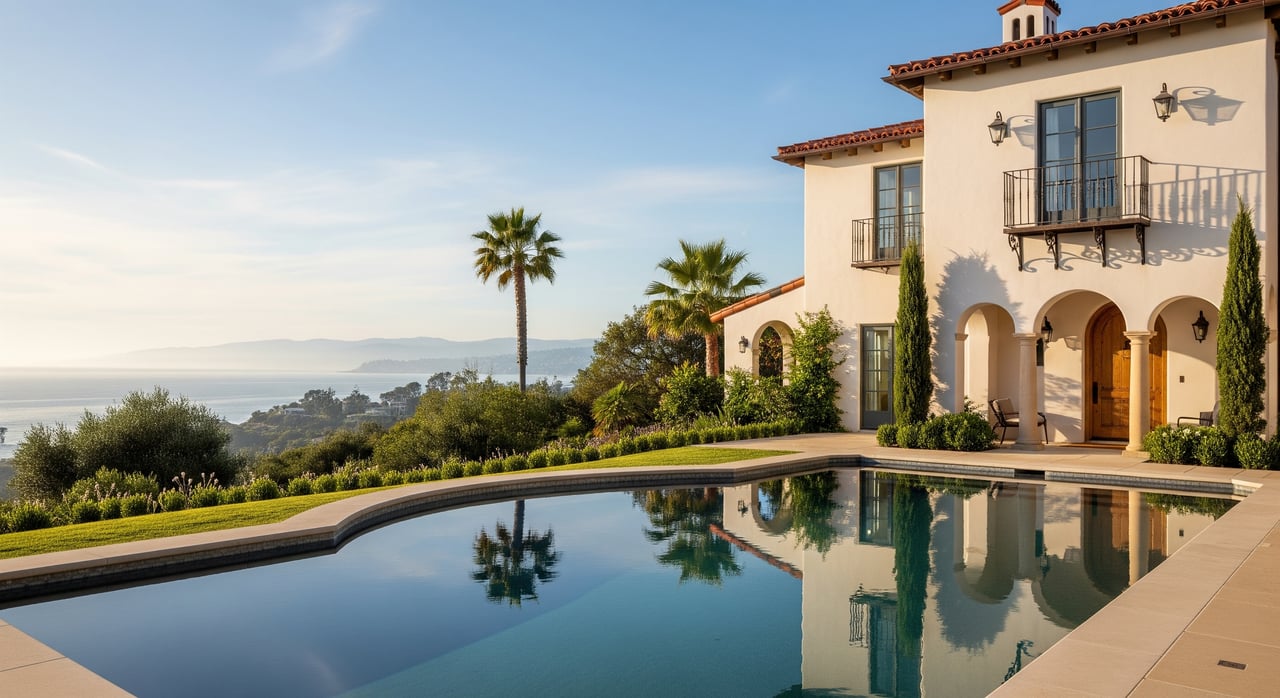
Thinking about selling your Montecito estate? In a market where a single listing can reset expectations, your asking price is a powerful signal. You want strong engagement without risking overexposure or leaving money on the table. In this guide, you will learn how to set a precise, defensible price and pair it with a clear narrative to drive qualified demand and faster, stronger offers. Let’s dive in.
Why Montecito pricing is different
Montecito is a small, luxury-constrained market. Truly comparable estates are rare, so one headline sale can skew averages. That is why you should rely on medians, verified comps, and documented adjustments rather than anecdotes.
Buyer pools include local ultra-high-net-worth residents, domestic second-home buyers from Los Angeles and the Bay Area, and international buyers seeking privacy and lifestyle. Many are cash or jumbo buyers, so financing shifts do not impact every transaction equally.
Seasonality exists, but timing often follows buyer schedules, school calendars, and local events. Scarcity, architectural pedigree, and turnkey condition can command meaningful premiums.
Build a defensible price band
Start with a comparative market analysis tailored for estates. Expand your comp set to include Santa Barbara and nearby coastal enclaves when needed, but prioritize matches on land, view corridors, privacy, access, and architectural quality.
Use a three-tier comp framework:
- Closest true comparables with recent closings.
- Directional comps nearby that share setting but differ in scale.
- Aspirational comps to define the ceiling for unique properties.
Weight closed sales first, then pending contracts, actives, and expireds. Verify off-market trades through records when possible. Normalize for acreage, ocean or mountain views, easements, permitted structures, guest houses, and lifestyle features like pools or courts. Turnkey condition typically merits a premium over homes needing major renovation.
Avoid common comp pitfalls
Do not rely on list prices over actual sale prices. Adjust carefully when comparing different micro-markets, such as lower bluff versus inland estates. Treat celebrity-driven sales as potential outliers, not automatic benchmarks. Document assumptions for unique attributes so you can explain them to buyers and appraisers.
Decide your pricing stance
You generally have three options:
- Market value pricing aligned to comps. This maximizes qualified showings and avoids early price cuts.
- Slightly aggressive underpricing. This can spark competition but risks leaving money on the table or signaling urgency.
- Premium pricing for distinctive estates. This sets a high anchor but can reduce traffic and lengthen time on market.
In Montecito, precision pricing within a narrow, defensible band tends to perform best. Pair your ask with documented adjustments and a clear narrative so buyers understand the value. Present a single, confident figure in formal materials to reduce friction.
Craft the pricing narrative
Your price should be anchored by a positioning statement that communicates why the estate sits where it does. Examples include emphasizing premier view corridors, fully permitted improvements, privacy, and immediate livability. Focus on legacy qualities, architectural pedigree, and indoor-outdoor lifestyle that align with buyer priorities.
When a property has one-of-a-kind features, describe them as qualitative value drivers and use premium ranges cautiously. Keep the story factual and specific so your narrative and pricing work together.
Use pre-market to test and refine
A short pre-market phase helps validate your ask without broad exposure. Consider a confidential pocket period to engage qualified buyers, then host broker-only previews to gather candid pricing feedback. Curated, invitation-only events can showcase the lifestyle and surface motivated prospects.
Capture structured feedback on perceived price, condition, and deal-breakers. Track broker turnout, private showing requests, and indications of interest. If multiple top brokers give similar guidance on price or condition, refine before you go live.
Time-box this phase for one to three weeks. Selectively share detailed materials like floor plans and permit history with vetted parties while using high-level teasers publicly.
Launch with controlled urgency
Announce a clear public launch date and define early milestones. If buyer interest is strong, consider an offer review date to concentrate responses. Exclusive broker previews and a compact initial window signal scarcity and help maintain momentum without overexposure.
If privacy is paramount and a known buyer pool exists, staying off-market can be effective. Go public when broader competition is likely to improve outcomes.
Measure signals and adjust
Monitor key performance indicators from day one:
- Showings per week and the quality of those showings.
- Days on market against local luxury norms.
- Consistency of broker feedback on price and condition.
- Offer activity, including cash strength, contingencies, and timelines.
Hold weekly check-ins. If traffic is soft by week two or three, escalate with defined actions. Options include refining the narrative, hosting targeted events, or adjusting the price with a documented rationale. Any change should be tied to clear market signals to protect credibility.
Present like a flagship
Presentation elevates perceived value and supports a firm price. Prioritize professional architectural and lifestyle photography, drone or aerials to show context, and high-quality floor and site plans. Virtual tours and cinematic video help buyers understand flow and scale.
Use high-end staging to clarify how rooms function and to highlight indoor-outdoor living. Provide a concise property dossier that includes provenance, permit history, and maintenance records. Strong documentation builds trust and shortens diligence timelines.
Manage offers and protect leverage
Encourage clean terms: strong price, proof of funds, reasonable inspection periods, and limited contingencies. When competition exists, consider escalation clauses thoughtfully to protect the seller while maintaining bidding dynamics.
Maintain confidentiality, comply with MLS and state rules, and make full disclosures on known property conditions and permits. Ethical, transparent deal management preserves leverage and reduces risk.
Recognize key risks early
Overexposure from a long run with multiple price reductions can erode final proceeds. Underpricing without strong competition can invite mismatched buyers. Incomplete preparation, poor photography, or missing documentation can shrink your qualified audience and extend time on market.
A practical seller checklist
- Clarify goals for price, timing, and privacy.
- Gather the full property dossier: title, permits, warranties, maintenance logs, utilities, and any recent appraisals.
- Build a comp grid with adjustments and best/most/least likely scenarios.
- Plan targeted pre-market outreach to top local and Los Angeles brokers, plus qualified private contacts.
- Budget for photography, aerials, staging, and premium marketing assets.
- Define your offer review protocol and decision authority.
- Set weekly reporting and agree on when price changes will be considered.
Timing considerations in Montecito
In this luxury segment, timing tends to follow buyer availability more than a rigid calendar. Align your launch with moments when qualified buyers are in town or focused on housing decisions. Pair that timing with a tight narrative and a confident, defensible ask to create urgency without sacrificing value.
When you are ready to position your Montecito estate for maximum demand, let’s have a quiet, strategy-first conversation. For a confidential valuation and a tailored go-to-market plan, connect with Sharon Jordano.
FAQs
How do you price a unique Montecito estate with few comps?
- Build a multi-tier comp set, document adjustments for land, views, and condition, and use medians plus verified sales to define a tight, defensible price band.
Should I try an off-market period before going public?
- Use a short, confidential pre-market to vet qualified buyers, gather pricing feedback, and potentially secure offers without broad exposure; then decide if public launch will add competition.
What if we get limited interest in the first two weeks?
- Review KPIs, analyze feedback cohesion, and either refine the narrative, host targeted events, or adjust price using documented market signals to protect credibility.
How do views and acreage affect price in Montecito?
- Ocean or mountain view corridors and usable acreage are major value drivers; include explicit adjustments for both alongside privacy, access, and permitted structures.
Is underpricing a good strategy for luxury estates?
- It can create competition but risks leaving money on the table if bidding does not materialize; precision pricing with strong presentation often delivers better outcomes.